
Ledger.com/Start® — set up your Ledger hardware wallet
Begin at Ledger.com/start for Ledger device setup guidance and practical tools that help you monitor supported crypto assets, manage accounts, and review activity.
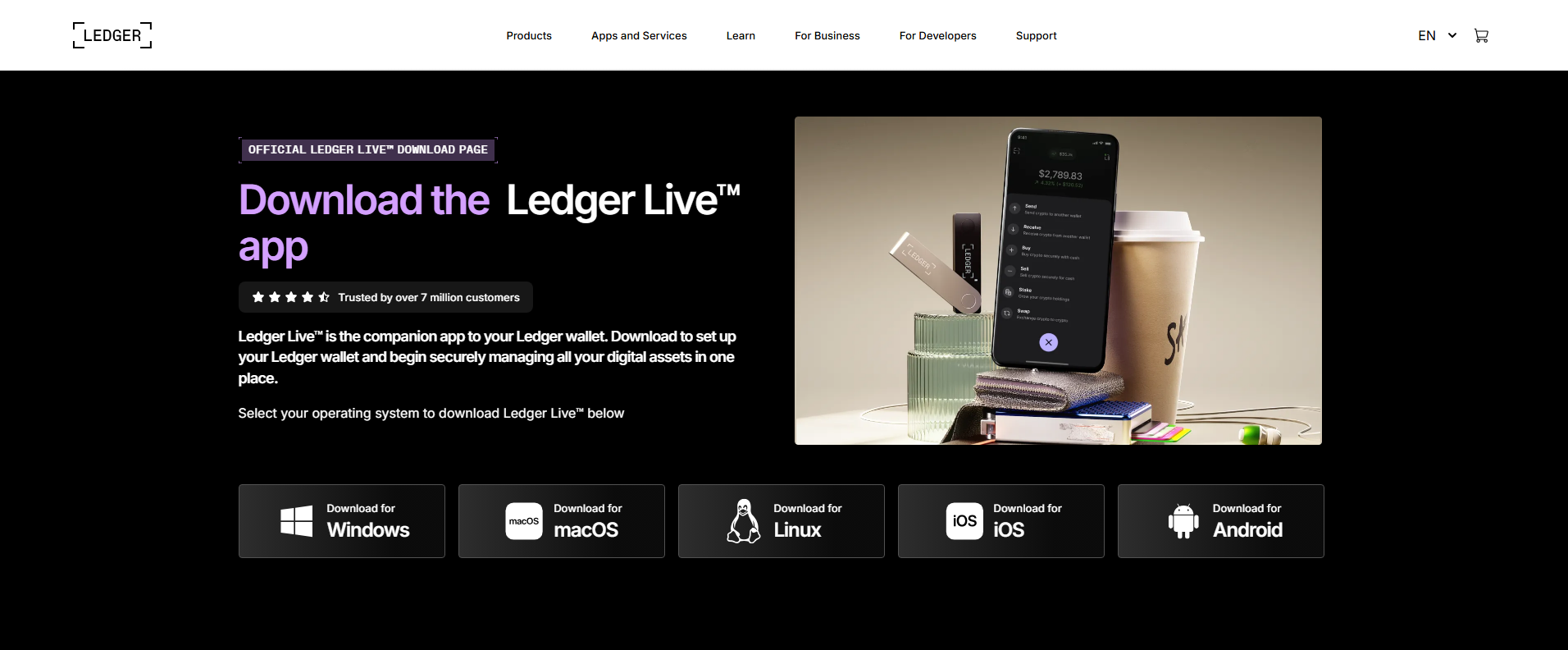
Ledger.com/start: Set Up Your Wallet With Confidence
Getting started with a hardware wallet is an important part of building a responsible crypto-management routine. Ledger.com/start can be a useful starting point for users who want to prepare their Ledger device, understand the setup process, and learn essential wallet-security practices.
Prepare Your Setup
Before you begin, choose a private place and use a computer you trust. Avoid setting up your wallet on shared or public devices, and close unnecessary applications that could distract you during the process.
Taking a few minutes to prepare can make the setup experience clearer and easier to follow.
Confirm You Are Using the Right Source
Online searches can sometimes produce websites that look similar to legitimate cryptocurrency services. For this reason, carefully verify the Ledger website before downloading software or following setup instructions.
Avoid links from unexpected emails, social-media messages, advertisements, or unfamiliar support pages. When in doubt, navigate directly to the official Ledger website.
Follow Each Setup Step Carefully
Connect your Ledger device and follow the instructions intended for your specific model. Read the information presented on your computer and pay attention to the physical device when it displays security or transaction details.
If something does not look familiar, stop and verify the instructions instead of continuing automatically.
Protect Your Recovery Information
Your recovery phrase is among the most sensitive information associated with your wallet. Record it accurately and keep it in a secure location that only you can access.
Never send recovery words through email or messaging services. Do not store them in screenshots, cloud documents, phone notes, or online forms.
Anyone requesting your recovery phrase should be treated as suspicious.
Check Transactions on Your Device
After setup, develop the habit of checking transaction information directly on the hardware wallet before approving an operation.
Review the recipient address and other displayed details carefully. This additional verification can help reduce the chance of approving an unintended transaction.
Stay Aware of Phishing
Scammers may use fake security alerts, urgent messages, or imitation support websites to pressure wallet users into revealing confidential information.
If you receive an unexpected request, do not respond immediately. Verify the situation through a trusted Ledger resource instead.
Conclusion
A thoughtful approach to Ledger.com/start can make the beginning of your hardware-wallet experience more organized. Verify your sources, protect recovery information, follow the device instructions, and make transaction verification part of your everyday crypto routine.
Updated about 12 hours ago